
Written by: Advanced Septic Service team · Reviewed by: Larry Nevitt, Owner, ROC #336542
Quick Answer
An alternative septic system installation is an engineered setup using pumps, or added treatments for difficult lots where poor soil, a high water table, or limited space rules out a standard drain field.
An alternative septic system can cost between $15,000 to $40,000 depending on the system. Advanced Septic Service designs, permits, and installs systems across communities on both sides of Mingus Mountain.
Alternative Septic System Installation for Difficult Arizona Lots
Alternative septic system installation is built for difficult Northern Arizona lots where poor soil, steep slopes, shallow bedrock, high groundwater, or limited space rules out a standard septic system. This is common across the Verde Valley and the Prescott side of Mingus Mountain, where the ground is often rocky, shallow, or has heavy clay, local conditions that a standard system was not built for.
An engineered septic system adds treatment, smarter distribution, or both to distribute wastewater in the way your land can support. Advanced Septic Service evaluates your site, explains the available options, and handles the approved septic design through installation. We recommend the right setup based on your property’s actual conditions, not from a one-size-fits-all plan.
Find Out What Your Property Can Support
A full site evaluation shows whether your property needs a conventional or alternative septic system.
What an Alternative Septic Installation Includes
Alternative septic installation includes site testing, an engineered system design, permit coordination, excavation, equipment placement, inspection, and final land grading. Each design may use a treatment tank, pumps, controls, filters, or pressurized distribution system matched to your site.
A conventional system counts on natural soil to filter wastewater through a gravel drain field, but an alternative system treats the water more thoroughly first, using a raised sand bed, shallow tubing, or plastic chambers. The actual layout considers the soil, groundwater, and slope. It also accounts for each property’s expected wastewater flow and available space.
Reliable Septic System for a Difficult Lot
The right alternative system gives a challenging property a safe and reliable way to manage wastewater. It improves how wastewater is treated, creates more flexibility in ground placement, and reduces pressure on unsuitable soil.
Make More Difficult Lots Usable
Alternative systems can be built on most Northern Arizona lots with poor drainage, shallow bedrock, high groundwater, steep grades, or limited usable space. The approved layout works around those conditions, rather than just relying on a standard septic system that needs ideal surroundings.
Preserve More Usable Yard Space
Some alternative systems treat wastewater more thoroughly even before it reaches the soil. This added treatment can shrink the drain field by roughly half, depending on your county and soil, and leaves you with more usable yard space for landscaping or a guest house.
Add Greater Groundwater Protection
Aeration, media filters, and controlled dosing use oxygen to help bacteria break down waste more completely. This helps reduce organic waste before treated water reaches the drain field. This approach is useful when the soil depth is limited or groundwater needs better protection.
Provide Longer Working Life for Your Drain Field
Better-treated wastewater from alternative septic systems carries less organic material into the soil. This helps reduce stress on the drain field and limits biomat buildup, a layer of organic slime that clogs the soil over time.
The right septic setup balances property use, wastewater treatment, ground protection, yard space, and the level of future maintenance you can manage.
See Which Septic System Fits Your Property
Get clear guidance on which septic setup is right for your property and what the process looks like.
What Happens During an Alternative Septic Installation
Alternative septic installation follows an engineered plan and approval process. The timeline accounts for the site conditions, design, permit review, and property access.
Site Investigation and Engineering: A site investigation checks for the soil conditions, including type, slope, groundwater depth, bedrock, and available space. It also involves running a soil percolation test, which measures how quickly water is drained through the soil. These findings show what septic setup your property can safely support.
Permitting and Design Approval: An engineer prepares the design plan based on the site findings and expected wastewater flow. This plan needs to be approved by the local or state authority before excavation begins.
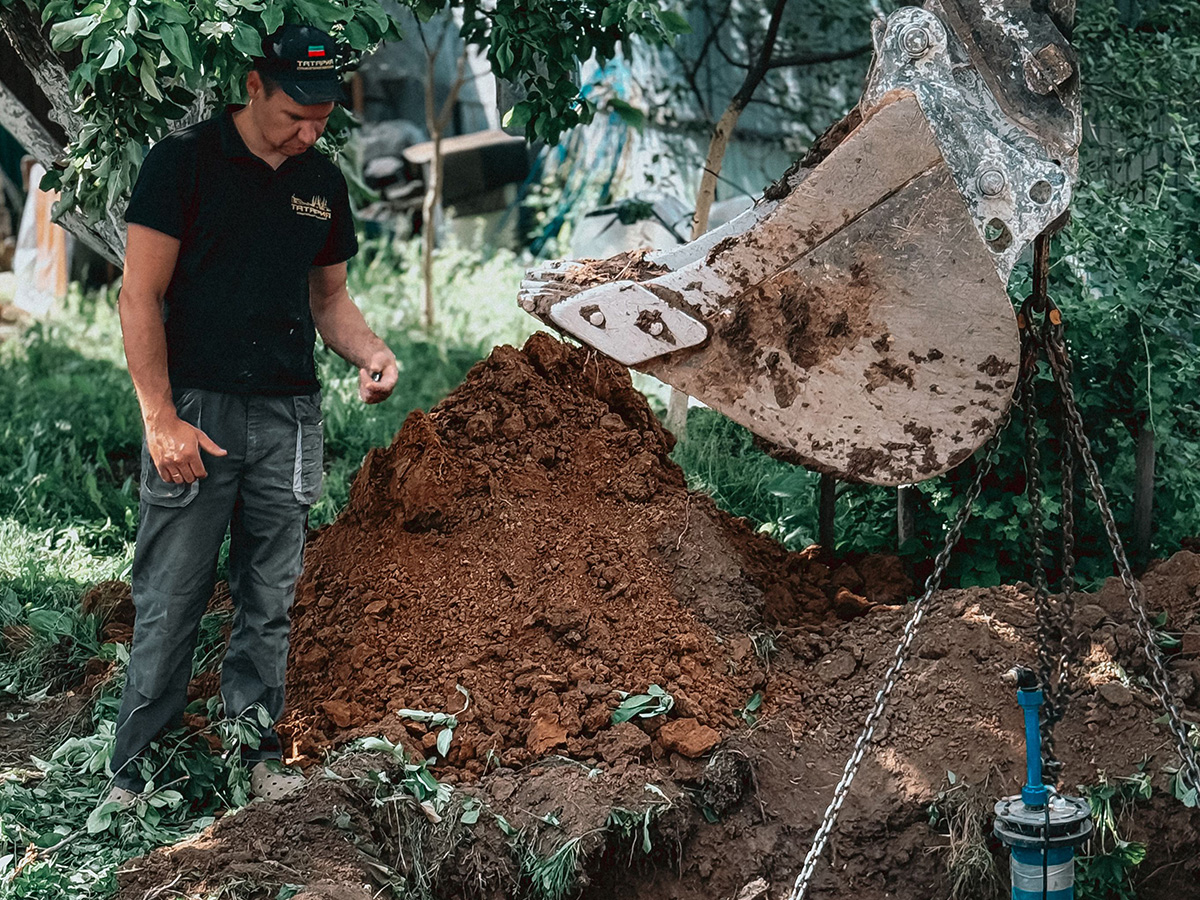
Excavation and Site Preparation: Crews use equipment to dig areas for the tanks, treatment equipment, piping, and drain field. Large rocks, steep terrain, tight access, existing landscaping, and buried utilities affect how much time is needed for the actual site preparation.
Component Installation: The crew installs the approved tanks, pumps, controls, piping, filters, chambers, or drip lines into the ground. Each component should match the approved septic plan because placement and elevation affect how the overall system works.
Final Inspection, Backfilling, and Grading: An inspector checks the open installation site before it is covered by soil. After approval, the crew backfills the disturbed ground back to its normal grading. You will also receive clear instructions on how the alternative septic system runs and how it is maintained.
Types of Alternative Septic Systems We Install
The right alternative septic system depends on your soil depth, water table, drainage slope, and usable yard space. Advanced Septic Service recommends the right setup after a full site evaluation and design process.
| System | Best For | How It Works | Tradeoff |
|---|---|---|---|
| Mound System | Properties with a high water table, shallow soil or bedrock. | An engineered, raised sand bed treats and disperses wastewater upward. | Visible mound and needs above-ground space requirements. |
| Aerobic Treatment Unit (ATU) | Sites with poor soil, small or sensitive lots that need added treatment. | Injects oxygen so bacteria break down waste faster and more completely. | Mechanical parts need electricity and regular servicing. |
| Drip Distribution | Tight, sloped, limited space or shallow-soil lots | Pressurized, shallow tubing releases water slowly near the surface. | Small lines and filters need ongoing care |
| Recirculating Sand Filter | Sites that need a heavy treatment level. | Wastewater passes through a sand and gravel bed multiple times before dispersal. | Needs more area, equipment, and plumbing maintenance. |
| Plastic Chamber Leach Field | Approved sites where flexible trench layouts help. | Uses open-bottom chambers instead of gravel trenches for direct soil contact. | Still depends on adequate soil absorption and design approval. |
Advanced Septic Service reviews each site and explains which septic setup and design is recommended. You will also know about each system’s required power, access, and maintenance before digging begins.
What Shapes the Cost of an Alternative Septic System
Several factors affect the overall cost of an alternative septic system. It may cost more than a conventional septic system because it requires engineering, permitting, and mechanical components.
Site Testing and Access: The ground is evaluated and surveyed before planning begins. System design and possible revisions also add professional costs before installation.
System Type and Components: Setups that need pumps, aerators, control panels, filters, and specialized distribution add to the material and labor needs.
System Size: Expected wastewater flow affects the required tank capacity, treatment equipment, and actual drain field size.
Engineering and Permitting: Each system needs a stamped design and county or ADEQ (Arizona Department of Environmental Quality) approval, depending on the local jurisdiction and septic design.
Excavation Conditions: Large rocks, steep terrain, tight access, and soil conditions can require more equipment or time.
Soil Severity: Poor percolation or a high water table can call for a larger, more heavily engineered system.
We provide a clear quote that details the approved installation scope and responsibilities before work starts. You will have a clear idea of both upfront and long-term costs, with no additional fees.
Your Local Team From Site Inspection Through Maintenance
Advanced Septic Service is a family-owned septic company, with more than 30 years of roots in the Verde Valley and local septic service since 2012. We understand the whole life of a septic system, from the site investigation and design through system installation, maintenance, and component repairs. That continuity is especially valuable for an engineered system that needs specialized parts and ongoing service requirements.
We are a licensed and insured company under ROC #336542 and one of the few local septic companies that have been awarded the ADEQ Award for Environmental Excellence. That track record is what lets us tell you exactly what the inspection finds on your property, in plain, straightforward language. You receive a clear recommendation and an honest quote with no pressure to install a more complex system than what your property actually needs. As our owner Larry likes to say, we are here to find the best solution to a crappy situation.
What Local Property Owners Say
⭐⭐⭐⭐⭐ “This company is great! Our septic system and pump stopped working just before the holiday weekend. I called Mark at Advanced Septic Systems and he went right to work getting someone to help us, no sorry I can’t do anything for “x” number of days. I know it’s hard when you’re booked out for a week or more and someone calls with an emergency, but Mark didn’t let that stop him from trying to help us. Mark got his guys out that day and within the next 2 days had everything fixed and running like new! John and Jarren were patient, helpful in explaining everything and super professional. Thank you so much, you guys are great!”
Steve A., Verified Customer
⭐⭐⭐⭐⭐ “These guys are great! Amazing customer service from start to finish. They go above and beyond to get to you as quickly as they can. They were very thorough and even put our yard back together so well, as if they were never here! Thanks again for a great experience!”
Jadyn O., Verified Customer
Talk With a Licensed Team for Septic Systems
Get straight answers from a licensed crew that completes the work, from the first evaluation through future maintenance.
Alternative Septic Installation Across Northern Arizona
Advanced Septic Service provides alternative septic system installation across the Verde Valley. Our team serves properties in areas including Cottonwood, Clarkdale, Cornville, Camp Verde, Sedona, and Rimrock.
On the other side of Mingus Mountain, we also reach properties in Prescott and Prescott Valley, and out toward Chino Valley and Dewey-Humboldt. If you are located outside the areas mentioned above, feel free to reach out and we will confirm our service availability.
Alternative Septic System Installation FAQs
How do I know if my property needs an alternative septic system?
Your property may need an alternative septic system when the soil, groundwater, bedrock, slope, or available space cannot safely support a conventional septic setup. A licensed septic technician inspects the site and evaluates the findings against local requirements to determine whether an engineered treatment or distribution is needed.
How much does alternative septic system installation cost?
Alternative septic installation may cost between $15,000–$40,000, with the work requiring engineering, more excavation equipment, and specialized components. The final cost accounts for the system size, approved design, soil excavation conditions, permits, and property access. A quick site inspection provides clear findings and a detailed quote tailored to your site.
How long does an alternative septic installation take?
The full timeline of an alternative septic installation takes several weeks from evaluation to backfill. The timeline may extend depending on site testing, engineering, permit review, excavation, required inspections, and weather during installation. Advanced Septic Service gives you a clear outline of the expected sequence after reviewing your property and local approval requirements.
Do alternative septic systems require more maintenance?
Yes, most alternative systems require more maintenance for pumps, aerators, timers, filters, or small distribution lines to continue working correctly. These components may also use electricity and need regular inspections. Advanced Septic Service provides septic system maintenance for systems that need ongoing professional care.
Can I install a conventional system instead?
A conventional system can be the better option if your site can support it safely. An alternative system is more appropriate when local site conditions or the approved design require one. Each site evaluation helps identify the right option, rather than assuming you need a more complex system.
How do I know if my property needs an alternative septic system?
Your property may need an alternative septic system when the soil, groundwater, bedrock, slope, or available space cannot safely support a conventional septic setup. A licensed septic technician inspects the site and evaluates the findings against local requirements to determine whether an engineered treatment or distribution is needed.
How much does alternative septic system installation cost?
Alternative septic installation may cost between $15,000–$40,000, with the work requiring engineering, more excavation equipment, and specialized components. The final cost accounts for the system size, approved design, soil excavation conditions, permits, and property access. A quick site inspection provides clear findings and a detailed quote tailored to your site.
How long does an alternative septic installation take?
The full timeline of an alternative septic installation takes several weeks from evaluation to backfill. The timeline may extend depending on site testing, engineering, permit review, excavation, required inspections, and weather during installation. Advanced Septic Service gives you a clear outline of the expected sequence after reviewing your property and local approval requirements.
Do alternative septic systems require more maintenance?
Yes, most alternative systems require more maintenance for pumps, aerators, timers, filters, or small distribution lines to continue working correctly. These components may also use electricity and need regular inspections. Advanced Septic Service provides septic system maintenance for systems that need ongoing professional care.
Can I install a conventional system instead?
A conventional system can be the better option if your site can support it safely. An alternative system is more appropriate when local site conditions or the approved design require one. Each site evaluation helps identify the right option, rather than assuming you need a more complex system.
Get a Clear Septic Plan Built for Your Property
Advanced Septic Service will schedule a site evaluation, walk your property, and run the required perc tests that show what your land can support. You will get a clear septic plan built around your site’s actual conditions. No pressure, no obligation to decide right away.
Contact our team to describe your property and soil conditions. Get honest guidance from a licensed company that Northern Arizona homes trust.