
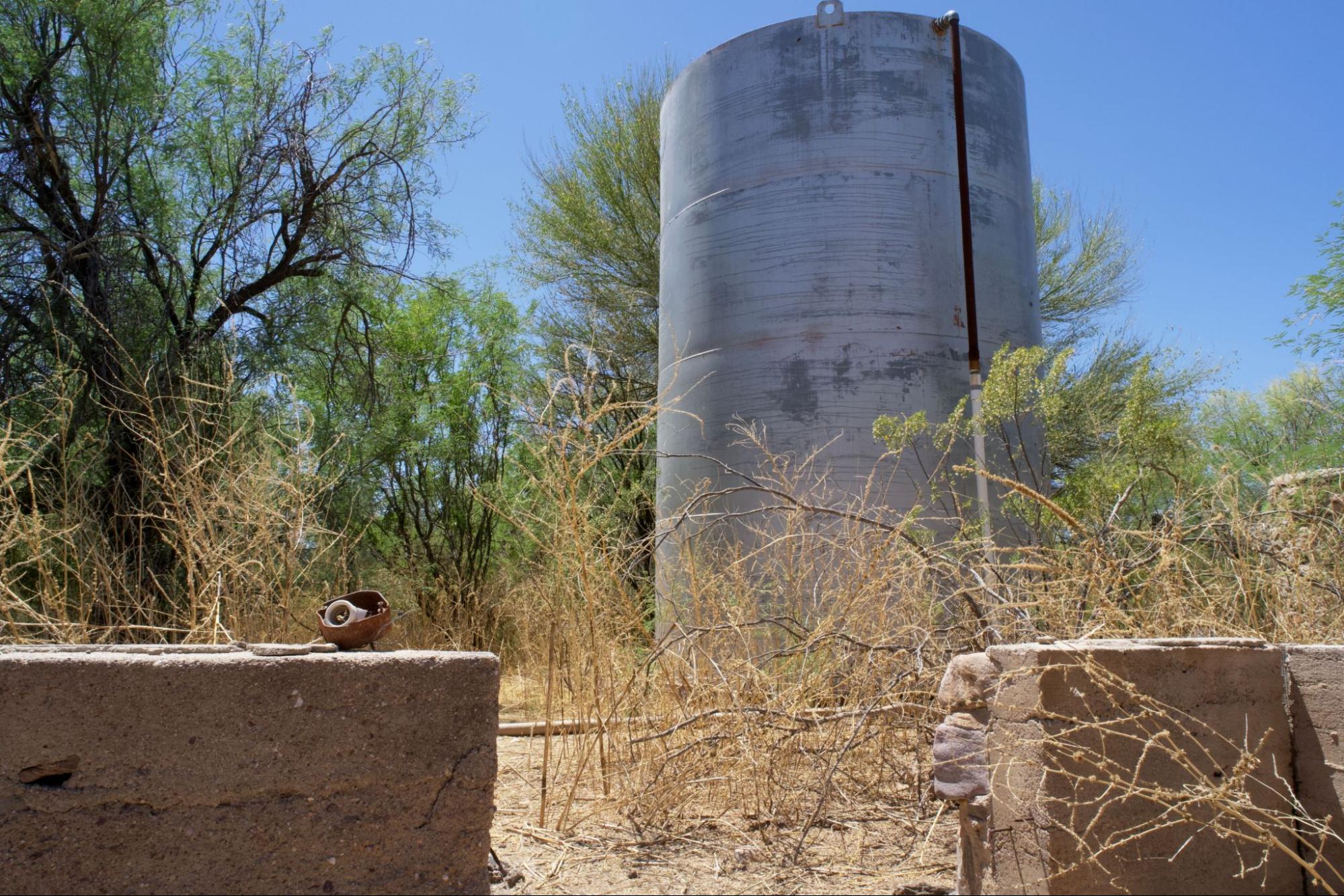
Alternative Septic Systems Built for Cornville’s Caliche and Rocky Ground
A Cornville property can be a practical choice for quiet, rural living, but the ground underneath it rarely makes septic planning simple. Around Cornville Road, Page Springs Road, and the lots near Oak Creek, the conditions vary lot to lot. Some ground drains slowly. Some is rocky or sits shallow over bedrock. Plenty of it hits caliche, a cemented layer of calcium carbonate that can start six to twelve inches down and that water struggles to move through. Any one of those can stop a standard drain field from filtering wastewater the way the county requires.
Alternative septic installation in Cornville, AZ is built for that kind of ground. Instead of leaning on soil and gravity to do the filtering, an alternative system handles more of the treatment itself before the water ever reaches the soil. That is what lets a system work on a lot where a conventional drain field would not pass or would not physically fit.
Advanced Septic Service helps Cornville home and property owners find out what their lot can actually support. We start with a careful look at your site, explain what we find in plain terms, and match the system to your land instead of forcing in a standard setup that will not pass inspection and will only cost you more.
Ready to Find Out What Your Lot Needs?
A site visit and soil testing tell us what your ground can actually support, so the system we recommend fits the lot you have. We answer your questions straight and give you a quote before any work starts.
How an Alternative Septic System Works on Cornville Ground
A conventional septic system leans on the ground to do the work. Wastewater leaves the tank, moves out to a drain field, and soil bacteria and gravity finish the job. That only holds up when there is enough usable soil beneath the field and it takes water at the right pace. An alternative septic system does more of that treatment itself, inside the system, before the water ever reaches the soil. The goal is simple: treat wastewater properly and disperse it in a way your Cornville property can actually support.
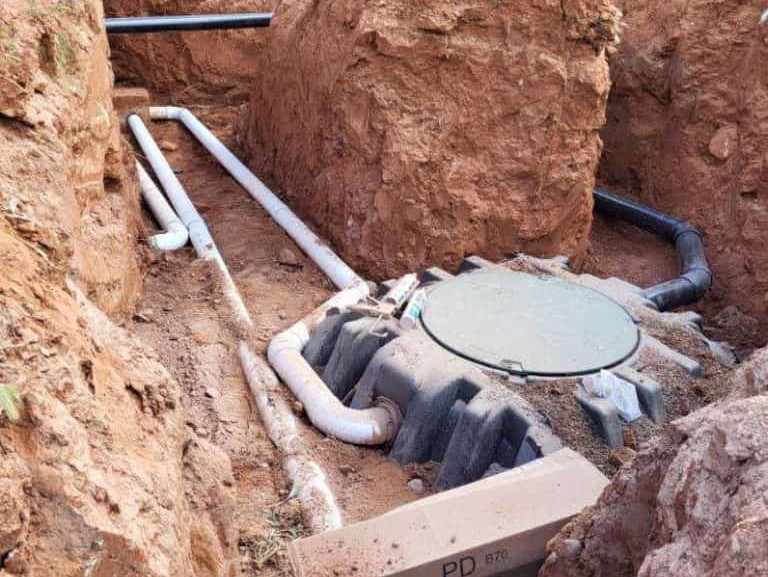
Local ground conditions are what drive the extra planning and permitting. Rocky or shallow soil, a caliche layer, slope, limited usable space, and creek-adjacent lots are all reasons a property fails a perc test, the test that measures how fast your soil absorbs water. When that happens, an engineer specifies the alternative system your site can carry. In Arizona that usually means an aerobic system (often called an ATU), a Wisconsin Mound, subsurface drip irrigation, or an engineered pad, each of which is a separate permitted system type under state rule.
Every alternative system is designed by an Arizona-registered professional engineer and permitted through Yavapai County Development Services, which handles onsite wastewater permitting and inspections under authority delegated by ADEQ (Arizona Department of Environmental Quality). Design, permitting, and installation are only the early stages of a septic system’s life. Arizona also requires most alternative systems to be covered by an operation and maintenance service contract with a qualified service provider for at least the first year of operation, with a maintenance plan built around a 20-year system life. Septic pumping, inspections, and drain field repair are what keep the system performing the way it was designed to.
What We Handle on a Cornville Alternative Septic Project
An alternative septic installation in Cornville, AZ starts long before anyone breaks ground and continues for years after. Advanced Septic Service covers every stage of it, so you are working with one crew from the first soil test to the final inspection and the service after that:
Site Investigations and Perc Testing: We measure how fast your soil takes water and log depth to caliche, rock, and any limiting layer, which is the step that determines what the county will approve.
Alternative System Design: We work alongside your engineer so the sealed design reflects what your site actually tested at, not an assumption about the neighborhood.
ADEQ and Yavapai County Permitting: We prepare and submit the paperwork and stay with the file through county review and final inspection.
Aerobic System (ATU) Installation: The tank handles the treatment your soil cannot, which makes it a common answer on lots where a caliche layer limits how far water can move.
Wisconsin Mound Installation: Builds usable depth above the natural grade, so a lot that runs shallow to bedrock can still carry a working septic system.
Subsurface Drip Irrigation Installation: Shallow lines spread treated water slowly across a wider, smaller-footprint area, which suits tight lots and ground with slow permeability.
Septic Pumping: Routine pumping keeps solids from reaching the drain field, which is what protects the system you paid for.
Drain Field Repair: When a field slows down or backs up, we find the cause first and restore flow rather than replacing parts on a guess.
Which of these your property actually needs comes down to what is under the ground, and that is not something anyone can tell you from the road. Whether you are building new, replacing a system that failed, or adding onto the house, the site work comes first and the rest follows from what it turns up. You can see the rest of our septic services across Northern Arizona if you are not sure where your project fits.
Talk to a Local Septic Specialist in Cornville
We walk the lot, run the soil work, and lay out your real options in plain terms, including what each one costs, before you commit to anything.
What the Right Alternative System Does for a Cornville Property
A well-designed alternative septic system does more than clear inspection. It decides how much of your lot stays usable, how the system holds up in local ground, and whether the property changes hands cleanly the day you decide to sell.
Passing Inspection Now, and Again When You Sell
Cornville falls under Yavapai County Development Services, which reviews septic permits and runs inspections under authority delegated by ADEQ. Alternative systems carry more components and more treatment steps, so they are held to a tighter standard than a conventional tank and trench. That review works in your favor. It confirms the system is sized correctly for your household before anyone digs, and it matters again years later. Arizona requires a septic inspection by a qualified inspector within six months before a home transfers, and the buyer has to file a Notice of Transfer within 15 days of closing. A system that was never properly permitted, or that fails that inspection, can stall a sale at the worst possible time.
Fitting a System on a Tight or Odd-Shaped Lot
Not every Cornville lot has room for a full-size drain field, and not every lot needs one. Subsurface drip irrigation runs shallow lines that spread treated water across a wider area without taking over the yard, and compact treatment units keep the footprint small. On a narrow parcel, or on a property where the septic has to share ground with a shop, a well, or a future guest house, that difference often decides whether the project pencils out at all.
Protecting Oak Creek and the Water Downstream
Oak Creek runs through Cornville and Page Springs on its way to the Verde River, and Arizona protects the whole length of it. The state designates Oak Creek from its headwaters to the Verde confluence as an Outstanding Arizona Water, the label many locals still know as Unique Waters, and it is the highest level of protection Arizona surface water rules provide. That protection exists for a reason. ADEQ has documented E. coli impairment across roughly 47 miles of Oak Creek and Spring Creek, and earlier studies listed septic systems among the possible sources alongside recreation, wildlife, and animals. An alternative system treats wastewater more thoroughly before it ever reaches the soil, which helps protect the creek, your own well, and the neighbors downstream from you. You can read more in ADEQ’s overview of the Oak Creek watershed.
Working With Cornville Ground Instead of Against It
Rocky ground, hard caliche layers, and lots that run shallow to bedrock are exactly the conditions that sink a standard septic system. An alternative system is built to work with that terrain instead of fighting it. Advanced Septic Service designs around what your site actually tested at, so the system holds up through a dry Verde Valley summer and through the monsoon storms that can drop a season of rain in a few weeks.
One Crew for the Whole Cornville Job
Advanced Septic Service is family-owned and runs out of Cottonwood, just up the road from Cornville. The company started in 2012 with one pump truck and has grown into a five-truck operation with a full repair and installation division. Larry Nevitt, the owner, has spent more than 30 years in plumbing and septic work across Northern Arizona, and the family has been in the Verde Valley about that long.
That range matters more on an alternative system than on a standard one. Site investigation, perc testing, design coordination with your engineer, county permitting, installation, and the service the system needs afterward all run through the same crew. You are not hiring one company to test the soil, a second to install, and a third to maintain it, then hoping the paperwork lines up when the county inspector arrives.
We are licensed and insured, carrying ROC #336542 from the Arizona Registrar of Contractors. That license means we met the state’s requirements for experience and financial responsibility and that we carry a contractor’s bond, and for owner-occupied homes it means our residential work is backed by Arizona’s Residential Contractors’ Recovery Fund. On an alternative system, where an engineer seals the design and the install has to match it exactly, hiring a licensed contractor is what keeps county review from turning into your problem.
What we promise is straightforward: honest service, clear explanations of what we find on your property, and work we stand behind after the truck pulls out.
What Verde Valley Customers Say About Working With Us
Advanced Septic Service is highly rated across Google and Facebook. Here is what a few Verde Valley customers have to say, and you can read more reviews any time.
⭐⭐⭐⭐⭐
“I had an excellent experience with Advanced Septic Service. They were able to come out quickly and service my septic system without delay. Their technicians were extremely professional, courteous, and knowledgeable throughout the entire process. They completed the work efficiently and made sure everything was taken care of properly. I would not hesitate to recommend Advanced Septic Service to my friends and family. Five stars all the way!”
– AJ Ll., Verified Customer
⭐⭐⭐⭐⭐
“These guys are great! Amazing customer service from start to finish. They go above and beyond to get to you as quick as they can. They were very thorough and even put our yard back together so well, as if they were never here! Thanks again for a great experience!”
– Jadyn Ol., Verified Customer
Let’s Talk About What Your Lot Can Support
Serving Cornville, Page Springs, and the Verde Valley
Cornville is unincorporated, which means no municipal sewer and no city utility to fall back on. Every property here runs on its own onsite system. We install across the whole area, from the lots along Oak Creek and Cornville Road near Windmill Park out to the vineyard properties on Page Springs Road, and those are the parcels where caliche and rock turn up most often.
Our crews cover both sides of Mingus Mountain from our home base in Cottonwood, including Clarkdale, Camp Verde, Rimrock, Sedona, Village of Oak Creek, and Jerome on the Verde Valley side. If you are looking for an alternative septic system installer near you and are not sure whether your property falls inside our range, check our full service area or call and we will tell you straight, including whether your lot might still take a conventional system.
Cornville, AZ Alternative Septic Installation FAQs
What happens if my Cornville lot hits caliche?
Caliche does not rule out a septic system, it changes which one you can use. The cemented layer blocks water from moving down at the rate a conventional drain field needs, so the site investigation measures how thick it is and how deep it sits. From there your engineer specifies a system that treats wastewater before it reaches the soil, or one that builds usable depth above the layer.
How often does an alternative septic system need service?
More often than a conventional one, because there are moving parts. Most alternative systems get checked on a set schedule under a service contract, which typically means inspecting pumps, controls, and treatment components, plus pumping the tank when solids build up. Components like an aerator wear out and get replaced well before the system itself does.
How much does alternative septic installation cost in Cornville?
It depends on which system your soil requires, your lot size, and how easily equipment can reach the work area. An aerobic system, a Wisconsin Mound, and subsurface drip irrigation all price differently, and the engineered design and county review add cost a conventional install does not carry. We quote per property after testing, and you can request a free quote any time.
How long does an alternative system take to install in Cornville, AZ?
The install itself usually runs a few days. The timeline ahead of it is longer, because site testing and the engineered design come first, then Yavapai County issues a construction authorization before anyone digs. That authorization is good for two years and cannot be renewed. Once the system is in and inspected, the county issues the approval to operate.
Can I still install a conventional septic system in Cornville?
Sometimes, yes. Plenty of Cornville ground drains well enough for a conventional tank and drain field, and where that works it is the simpler and less expensive option. The site investigation and perc test settle it. If your soil passes, we will tell you so rather than selling you a system you do not need.
Get a Septic System Built Around Your Cornville Property
No two lots here test the same. How fast your soil takes water, how deep the caliche sits, and how much usable ground you have left all change what will hold up over the long term, and none of that is knowable from the road. Whether you are building new, replacing a system that failed, or just want to know what your site can handle before you plan a guest house, that is the conversation to start with.
Contact our team and we will walk the property, run the soil work, and give you straight answers about your options. No pressure, no guesswork.