
Prescott Valley Grew Fast. The Ground Underneath It Didn’t Catch Up.
Prescott Valley started as a planned community in 1966 and has grown fast ever since, and a good share of that growth sits outside the town’s sewer boundary. If your property falls in unincorporated Yavapai County or in an older subdivision that sewer lines never reached, your home handles its own wastewater through a septic system.
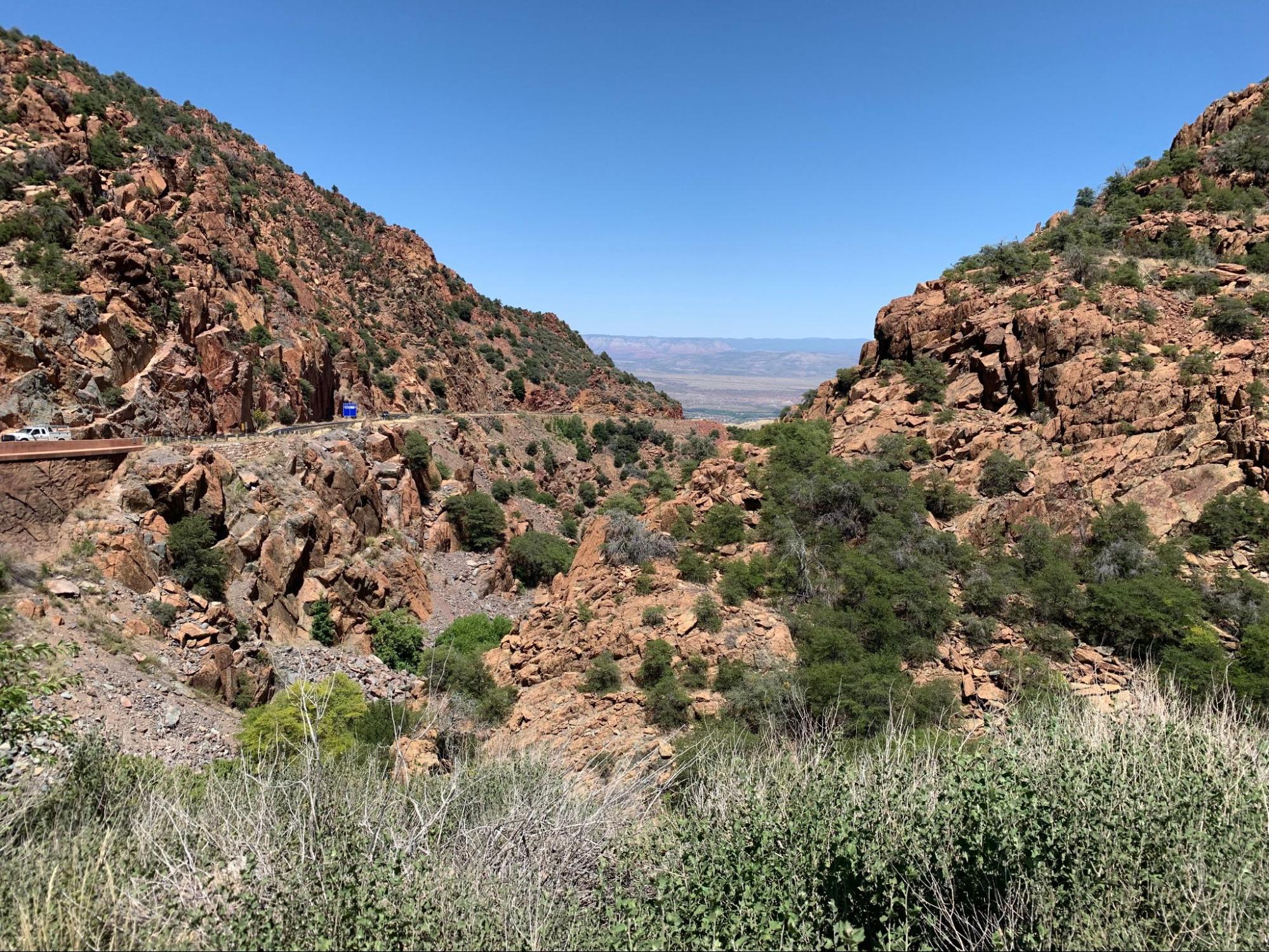
The ground underneath much of Prescott Valley makes that job harder than it looks. Many lots on the valley floor carry a caliche layer, a band of soil cemented together by calcium carbonate, or a dense clay subsoil that holds water instead of moving it along. Lots up on the surrounding hills hit a different problem, decomposed granite close to the surface. Any one of those can fail a perc test, and when that happens a standard septic system usually isn’t an option.
Alternative septic installation in Prescott Valley, AZ is built for exactly that situation. Advanced Septic Service tests your soil first, tells you plainly what your lot can support, and installs a system that treats wastewater before the ground gets a chance to stop it.
One Site Visit Tells You Where You Stand
A short visit tells us what’s under your property, whether that’s caliche, clay, or rock, and what it rules in or out.
How Alternative Septic Systems Work Around Caliche and Clay
An alternative septic system does more of the treatment work inside the system itself, before the water ever reaches the ground. That’s what makes it usable on a lot where the soil can’t finish the job on its own. Depending on what your site tests at, that might mean an aerobic treatment unit, a mound system, or drip distribution.
A conventional system works the other way around. It counts on soil to filter wastewater after it leaves the tank, with gravity carrying water out to a drain field and the ground doing the rest. That only holds up if there’s enough usable soil below the field and it takes water at a reasonable pace. Cemented caliche and heavy clay both fall short, sometimes just a few feet down.
An alternative system needs a design sealed by an Arizona registered engineer and a permit from Yavapai County, which reviews onsite wastewater systems on ADEQ’s behalf. The county routes alternative designs to a review engineer before it issues a construction authorization, and that check confirms the system fits the ground you actually have instead of finding out after installation.
Alternative Septic Services for Prescott Valley Properties
Getting an alternative system right takes more than a good install. Advanced Septic Service covers each stage a caliche-heavy lot needs, from the first site visit through years of upkeep after:
- Site Investigations and Perc Testing: Measures how fast your soil takes water and logs the depth of caliche, clay, or rock before any design gets drawn up.
- Aerobic Treatment Unit Installation: Uses oxygen to break down waste inside the tank when soil alone can’t finish the job.
- Mound System Installation: Adds engineered soil above the restrictive layer on lots where the natural ground is too shallow.
- Drip Distribution Installation: Spreads treated water through shallow lines, which works well on tighter or oddly shaped lots.
- Alternative System Design Coordination: Works alongside your engineer so the sealed design matches what your site actually tested at.
- Yavapai County Permitting: Handles the paperwork and stays with the file through county review.
- Septic Pumping: Clears solids on a regular schedule to protect the system already in the ground.
- Drain Field Repair: Finds the cause of a slow or backed-up field before recommending a fix.
We won’t recommend a system until we’ve tested your soil. It’s the only honest way to know what your property needs.
Test the Ground Before You Budget
Where Alternative Systems Show Up Most in Prescott Valley
Not every Prescott Valley property needs an alternative system. Where your home sits is usually the best early clue.
Unincorporated Fringe and Older Subdivisions
Properties outside town limits go through Yavapai County for septic review rather than connecting to town sewer. This includes older neighborhoods built in the 1960s through 1980s before the sewer network expanded. These are the lots most likely to carry an aging conventional system that was installed before today’s site testing requirements were in place.
Newer Subdivisions on the Edge of Town
Prescott Valley sits at roughly 5,000 to 5,100 feet, low enough that it picks up less snow than the City of Prescott, which averages about 10 inches a year. Snow melts off fast at this elevation, so weather is rarely what holds a septic project up. The county review queue and wet ground after a storm are the realistic scheduling factors. Even on the newer subdivisions along the north and northeast edges of town, a lot that looks perfectly buildable on the surface can still hide a restrictive layer a few feet down.
In-Town Neighborhoods on Municipal Sewer
Most homes inside Prescott Valley’s town limits are connected to the Town of Prescott Valley’s sewer system, which Jacobs has operated under contract since 1993. If your address falls inside that footprint, septic isn’t part of the picture. This section matters most if you aren’t sure which side of the line you’re on.
Buying or Selling a Prescott Valley Home With a Septic System
Arizona requires the septic system to be inspected before a property changes hands, and the results have to be reported to the county. That inspection is where a lot of Prescott Valley buyers first learn the system on their new property was never sized for the house, or was installed on ground that could not support it. Neither is a reason to walk away from the deal, but both change what the property is worth to you.
We run pre-purchase inspections, handle the transfer of ownership paperwork Yavapai County requires, and tell you plainly what we find. If the system needs replacing, we can price an alternative design before you close rather than after. Sellers get the same benefit in reverse. Knowing the condition of the system ahead of listing keeps it from becoming a negotiating point you did not see coming.
Why Prescott Valley Homeowners Work With Advanced Septic Service
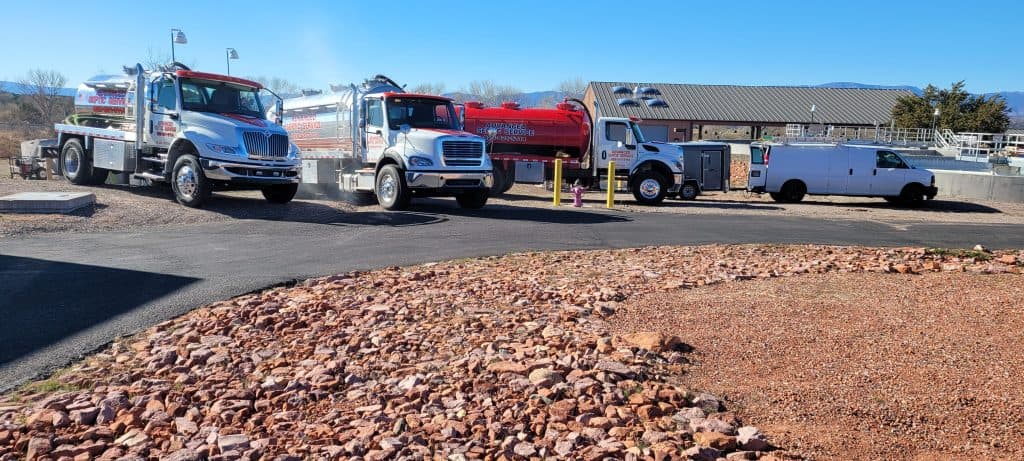
Advanced Septic Service is licensed and insured under ROC #336542, the license Arizona requires of anyone installing a septic system. Our owner started the company in 2012 with a single pump truck and more than 30 years of plumbing and septic experience behind him. It now runs five trucks and a full install and repair division, which means site investigation, design coordination, permitting, installation, and the service afterward all run through the same crew. You aren’t managing three contractors and hoping their work lines up.
We work both sides of Mingus Mountain, and the Prescott side is where restrictive soil turns up most often. Knowing which older subdivisions are still running systems built before current testing standards existed means fewer surprises once we’re on your property, and a quote that holds up once digging starts.
An engineered system has moving parts, and when one quits it usually does not wait for business hours. We answer emergency calls around the clock on both sides of the mountain.
What Prescott Valley Homeowners Are Saying
⭐⭐⭐⭐⭐ “I have a 40+ year-old septic system that had never been properly serviced, along with plumbing problems leading into the tank. Water was backing up into the house. Advanced Septic Service promptly sent a technician and subsequent crew who quickly identified the problems and located the tank, which had been buried for decades. The issues were quickly rectified over the course of several hours. Everything was explained to me in detail along the way, with absolutely zero upsell pressure for goods or services that weren’t needed to complete the job.”
NAZ NewsDesk, Verified Customer
⭐⭐⭐⭐⭐ “Such an amazing company to work with! They have always gone above and beyond to get the job done in a timely and professional manor. The quality of work they produce is second to none. Their service and level of experience are top notch and I will continue to use them in the future for any of my septic needs. I would highly recommended them to anyone in need of any kind of septic related services.”
Chris C., Verified Customer
Talk It Through Before You Commit
Serving Prescott Valley and Nearby Yavapai County Communities
We install alternative septic systems throughout Prescott Valley and the county land around it, from the older lots near Fain Park and along the Highway 69 corridor to the acreage out in Lonesome Valley and Coyote Springs, with Glassford Hill in view from most of it. We also cover the rest of the Prescott side of Mingus Mountain, including septic services in Prescott, Chino Valley, Dewey-Humboldt, Mayer, and Cordes Lakes. If you’re not sure whether your address falls inside our service area, call us so we can confirm.
Alternative Septic Installation Prescott Valley, AZ FAQs
What’s the real difference between a mound system and drip distribution?
A mound system adds engineered soil above the existing grade when the lot doesn’t have enough usable depth to filter wastewater. Drip distribution spreads treated water through shallow lines across a wider footprint instead of adding height. Which one fits your lot depends on available space, slope, and how deep the restrictive layer sits, whether that’s caliche, clay, or rock.
Can I install an alternative septic system if I’m adding a guest house or extra bedrooms?
Yes, but your existing system needs to be evaluated first. Adding bedrooms or a second living space increases the wastewater load, and an older system sized for the original home may not have the capacity. We check the current system size against the added load before recommending an expansion or a new alternative design.
How much does alternative septic installation cost in Prescott Valley?
Cost depends on the system your soil requires, your lot size, and site access. A mound, an aerobic treatment unit, and drip distribution each carry different design and installation costs. We test your soil first, then hand you a written estimate that reflects what we actually found.
How long does an alternative septic system last in Prescott Valley?
Twenty years or more is realistic with steady maintenance. What usually shortens that isn’t the tank, it’s neglect of the parts that move. Aerators, pumps, and filters on an engineered system need service on a set schedule, and skipping it puts load back on soil that was never able to handle it.
How long does permitting take for an alternative system in Yavapai County?
Expect longer than a conventional permit. Once your site testing and engineered design are done, Yavapai County routes the design to a review engineer before issuing a construction authorization, then issues an operating authorization after installation and final inspection. County workload and site complexity both affect the timeline.
Get a Straight Answer on Your Prescott Valley Lot
Caliche soil, sewer boundaries, and system age all change what your property actually needs. We’ll test your soil, walk you through what it means for your options, and give you a clear quote before anything gets scheduled. Contact us today to get started.