
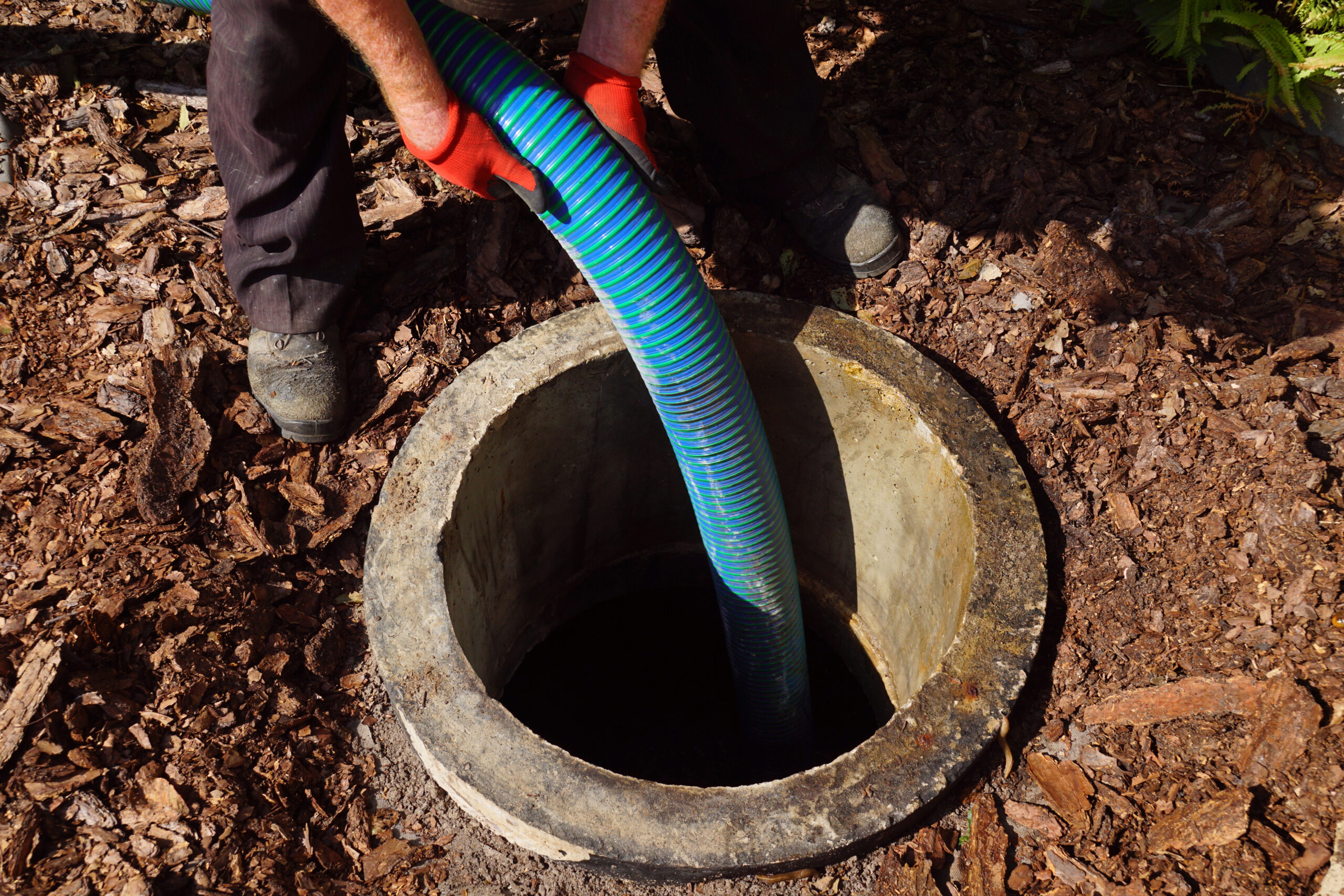
You have plunged the same toilet three times this week, the shower drains slower than it should, and something in the yard smells off. Before you blame a clog and reach for the drain cleaner, it is worth asking whether your septic tank is simply full.
Your tank sends warnings well before it fails outright. Learning the signs your septic tank needs pumping lets you act while the fix is still a routine pump-out, instead of an emergency and a damaged drain field.
Below are the signs worth watching, in rough order from early warning to call-someone-now, along with what each one means and what to do about it.
The Most Common Signs Your Septic Tank Needs Pumping
No single sign is proof on its own, but together they tell a clear story. Here is what to look and listen for.
Slow Drains Across the Whole House
One slow sink is usually a clog. When every drain in the house slows down at once, including toilets, tubs, and sinks, the tank is the more likely culprit. A full tank cannot move water out to the drain field fast enough, so everything upstream backs up and crawls.
Gurgling Sounds in Your Pipes and Toilets
That bubbling you hear when a toilet flushes or a tub empties is air struggling to move through a system that is backing up. It usually shows up next to slow drains and is an early hint that the tank is running out of room.
Sewage Odors Indoors or in the Yard
A healthy septic system should not smell. When you catch a sewage odor near indoor drains, or outside over the tank or drain field, gases that should be venting properly are escaping because solids have built up. It is unpleasant, but it is a useful early warning.
Soggy Ground or Bright Green Grass Over the Drain Field
When the tank gets too full, partially treated water can push up into the drain field and surface. You may see standing water, spongy soil, or a stripe of grass that is greener and taller than everything around it. After heavy monsoon rain a soggy field can be temporary, and our post on monsoon season and your septic system explains why. If it lingers once the ground dries out, the tank most likely needs pumping.
Wastewater Backing Up Indoors
This is the sign you cannot ignore. When sewage comes up through the lowest drains in the home, a floor drain, a shower, or a tub, the system has run out of room. Stop running water and call for service, because every flush after that makes it worse.
It Has Been Years, or You Simply Do Not Know
Not every overdue tank throws dramatic symptoms right away. If it has been more than three to five years since your last pump-out, or you have no record at all, treat that as a sign in itself. Waiting for a backup to confirm it is the most expensive way to find out.
What These Signs Are Really Telling You
Every one of these signs points to the same root problem: sludge and scum have built up to the point that the tank can no longer do its job. Left alone, those solids reach the tank’s outlet and flow into the drain field, where they clog the soil that filters your wastewater. A pump-out is a routine, affordable service. A failed drain field is neither, which is exactly why catching the signs early pays off.
What to Do If You Spot the Signs
If one or more of these signs turns up, a few steps keep a manageable problem from turning into an emergency:
- Ease off water use. Space out laundry and showers so you are not forcing more through a struggling system.
- Skip the store-bought additives. Products that promise to dissolve solids do not replace pumping. The EPA advises that additives are not a substitute for regular pump-outs, and some can even harm your system.
- Get the tank measured. Have a professional inspect it and, if it is due, handle the septic pumping so you know exactly where you stand.
If you have an active backup or sewage surfacing in the yard, treat it as an emergency. Call us at (928) 821-5114 day or night, and we will help you get ahead of it.
Septic Tank Pumping Questions Homeowners Ask
How can I tell if my septic tank is full or if I just have a clog?
A clog usually affects one fixture, like a single slow sink or toilet. When several drains slow down at once, or you also notice odors and gurgling, the tank is the more likely cause. A quick inspection settles it by measuring how full the tank actually is.
Will a full septic tank clear up on its own?
No. Solids do not break down and vanish, and the tank does not empty itself. The signs may come and go with your water use, but the buildup underneath only grows until the tank is pumped. Ignoring it risks a backup or damage to the drain field.
Do septic additives mean I can skip pumping?
No. Additives are marketed as a shortcut, but they do not remove the sludge and scum that pumping clears out, and some can push solids into the drain field. Treat them as an add-on at best, never a replacement for a scheduled pump-out.
How often should I pump to avoid these signs in the first place?
Most homes need pumping every three to five years, though your interval depends on household size, tank size, and water use. Our guide on how often to pump your septic tank walks through how to set a schedule for your property so the signs never get a chance to appear.
Catch the Signs Early, Skip the Emergency
The signs your septic tank needs pumping tend to start small, a slow drain here, a faint odor there, and build until they are impossible to miss. The homeowners who come out ahead are the ones who act on the early hints rather than waiting for the backup to make the decision for them.
If any of this sounds familiar, get your tank checked before the next holiday, houseful of guests, or monsoon storm puts it to the test. We handle pumping and inspections across the Verde Valley and the Prescott side, and we will tell you straight whether your tank needs service now or can wait. Reach out through our contact page whenever you want a second set of eyes.